Choosing the Right Roofing System for Your Property
SLATE, METAL & RUBBER ROOFING GUIDES
Choosing the Right Roofing System for Your Property
At ECUA.T CONSTRUCTION ROOFING, we understand that selecting the right roofing material is a major decision. That’s why we’ve created this comprehensive guide comparing Slate, Metal, and Rubber Roofing — the most durable and energy-efficient roofing systems available today.
Slate Roofing Guide – Timeless Beauty & Natural Strength
Best for: Historic homes, luxury properties, long-term value
Lifespan: 75–100+ years
Material: Natural stone (can also use synthetic slate)
Appearance: Elegant, traditional, premium
Durability: Fireproof, weather-resistant, low maintenance
Cost: Higher initial investment, lower lifetime cost
Pros:
✔ Adds value & curb appeal
✔ Extremely long-lasting
✔ Resistant to mold, rot & insects
Cons:
➖ Heavy material (needs proper structural support)
➖ Requires specialized installation
Metal Roofing Guide – Modern, Efficient, Long-Lasting
Best for: Homes, commercial buildings, eco-conscious properties
Lifespan: 40–70 years
Material: Steel, aluminum, copper, zinc
Appearance: Sleek, modern, available in many colors
Durability: Withstands snow, rain, wind, fire
Cost: Moderate to high depending on metal type
Pros:
✔ Reflects heat, lowers energy bills
✔ Lightweight & recyclable
✔ Fast installation & low maintenance
Cons:
➖ Can be noisy in heavy rain if not insulated
➖ May dent from hail or impact (depending on metal type)
Rubber Roofing Guide (EPDM/TPO) – Smart Choice for Flat Roofs
Best for: Flat roofs, garages, commercial buildings, additions
Lifespan: 20–30 years
Material: EPDM (rubber), TPO (thermoplastic)
Appearance: Flat, seamless finish
Durability: UV, water & heat-resistant
Cost: Budget-friendly
Pros:
✔ Ideal for water drainage on flat roofs
✔ Easy to install & repair
✔ Energy-efficient (especially TPO in warm climates)
Cons:
➖ Not suited for steep-sloped roofs
➖ May require more frequent inspection/maintenance
When it comes to protecting your home from the elements, siding and gutters play a crucial role.
HOW TO CHOOSE THE RIGHT SIDING OR GUTTER SYSTEM
Expert Tips from ECUA.T CONSTRUCTION ROOFING
When it comes to protecting your home from the elements, siding and gutters play a crucial role. The right systems not only enhance your home's curb appeal but also improve energy efficiency, weather protection, and long-term durability. But with so many options available, how do you choose the best solution?
Choosing the Right Siding for Your Home
Siding is more than just a design element — it’s your home’s first layer of defense. The right siding material depends on your climate, budget, aesthetic preference, and maintenance expectations.
Popular Siding Options
Vinyl Siding
Affordable, low-maintenance
Available in many colors & styles
Resistant to moisture and pests
Fiber Cement Siding (Hardie Board)
Extremely durable and fire-resistant
Mimics wood, stucco, or masonry
Great for high-wind or wet climates
Wood Siding
Classic, natural appearance
Requires regular maintenance (sealing/painting)
Excellent insulation properties
Metal Siding (Aluminum/Steel)
Modern look and long lifespan
Resists fire, rot, and insects
Often used on contemporary homes
Factors to Consider:
Durability for your climate
Style & color options that match your home's design
Maintenance level you’re comfortable with
Warranty & installation costs
Choosing the Right Gutter System
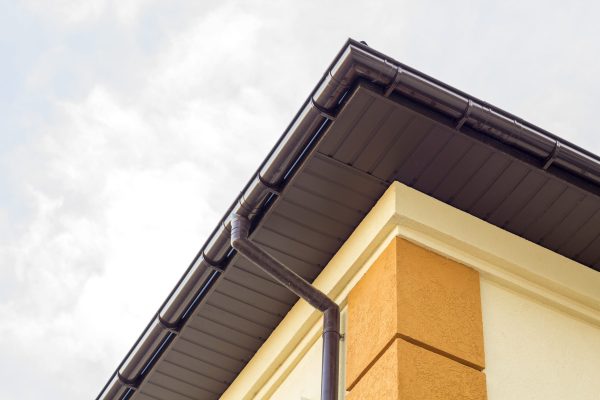
Gutters are essential for directing water away from your roof, walls, and foundation. A poorly installed or outdated gutter system can lead to leaks, mold, foundation issues, and even roof damage.
Popular Gutter Types:
1._K-Style Gutters
Most common style in residential homes
Holds more water than half-round gutters
Durable and available in various materials
2._Half-Round Gutters
Traditional, curved look
Ideal for historic or classic-style homes
Easier to clean but holds less water
3._Seamless Aluminum Gutters
Custom-cut to fit your home
Fewer leaks, longer lifespan
Rust-resistant and lightweight
4._Copper Gutters
Premium look and long-lasting
Naturally resists rust and corrosion
Higher upfront cost, lower maintenance
Key Gutter Features to Consider:
Gutter guards to prevent clogs
Downspout placement for efficient water flow
Material durability (aluminum, steel, copper)
Color matching with siding and trim
Your roof is your home’s first line of defense against rain, snow, heat, and wind
COMMON ROOFING PROBLEMS & HOW TO FIX THEM
Discover the most common roofing problems homeowners face and how to fix them.
1. Leaky Roofs
The Problem:
Leaks are one of the most frequent roofing issues, often caused by broken shingles, cracked flashing, or poor ventilation.
Signs to Watch For:
Water stains on ceilings or walls
Mold or mildew growth
Sagging roof decking
How to Fix It:
Patch small leaks with roofing sealant and replace damaged shingles. For widespread leaks or flashing failure, it’s best to call a professional roofing contractor.
Pro Tip: Regular roof inspections (especially after storms) can help detect leaks early.
2. Damaged or Missing Shingles
The Problem:
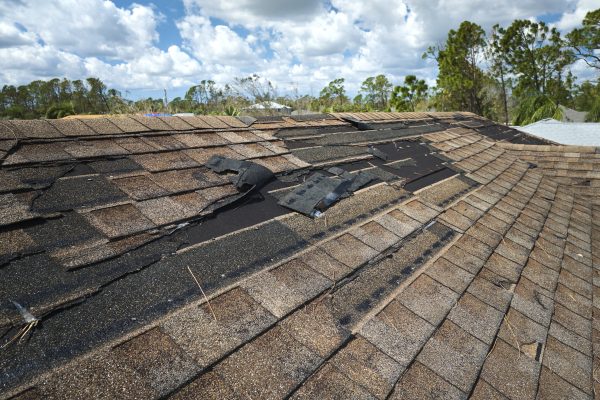
Wind, hail, and time can loosen or break shingles, exposing your roof to moisture damage.
How to Fix It:
Replace missing or damaged shingles immediately to prevent water infiltration. Be sure to match materials to maintain a watertight seal.
3. Clogged or Damaged Gutters
The Problem:
Clogged gutters cause water to back up under the roof edge, leading to rot, mold, and foundation issues.
How to Fix It:
Clean your gutters regularly—especially in fall—and install gutter guards. If gutters are loose, bent, or leaking, call for gutter repair or replacement services.
4. Poor Roof Ventilation
The Problem:
Without proper ventilation, heat and moisture can build up in your attic, causing premature aging of your roof and higher energy bills.
Signs:
High indoor humidity
Curling shingles
Ice dams in winter
How to Fix It:
Install or upgrade ridge vents, soffit vents, or attic fans to ensure proper airflow throughout your roof system.
5. Cracked Flashing or Sealant
The Problem:
Flashing protects joints and penetrations (like chimneys and skylights). If it cracks, water easily seeps in.
How to Fix It:
Re-seal with roofing cement or replace old flashing with new metal flashing for a longer-lasting solution.
6. Moss, Algae, and Mold Growth
The Problem:
Moss and algae retain moisture, leading to roof rot and structural damage.
How to Fix It:
Use a gentle roof-cleaning solution or install zinc/aluminum strips near the ridge to prevent future growth. Avoid pressure washing, which can damage shingles.
7. Sagging Roof
The Problem:
A sagging roof indicates structural problems—often due to water damage, poor installation, or excessive weight (like snow).
How to Fix It:
This is not a DIY job. Contact a licensed roofing contractor to inspect and reinforce the structure as needed.